Bexley Council Permits for Removals in Crossness: A Practical Guide for Smooth, Legal Moving Day
If you are planning a move in Crossness, the last thing you want is a truck circling the street while everyone gets a bit tense about parking. That is where Bexley Council permits for removals in Crossness come in. In plain English, they help you manage where a van or removal lorry can stop, how long it can stay, and whether your move is likely to cause a problem on a busy road or estate. This guide explains what the permit process means for real moving day decisions, how to avoid common delays, and how to keep the whole thing calm, legal, and far less chaotic than it sounds.
To be fair, a removals permit is rarely the most exciting part of moving house. But if you skip it when it is needed, that can turn into unnecessary stress very quickly. Let's sort the practical side first, then the finer details.
Why Bexley Council Permits for Removals in Crossness Matters
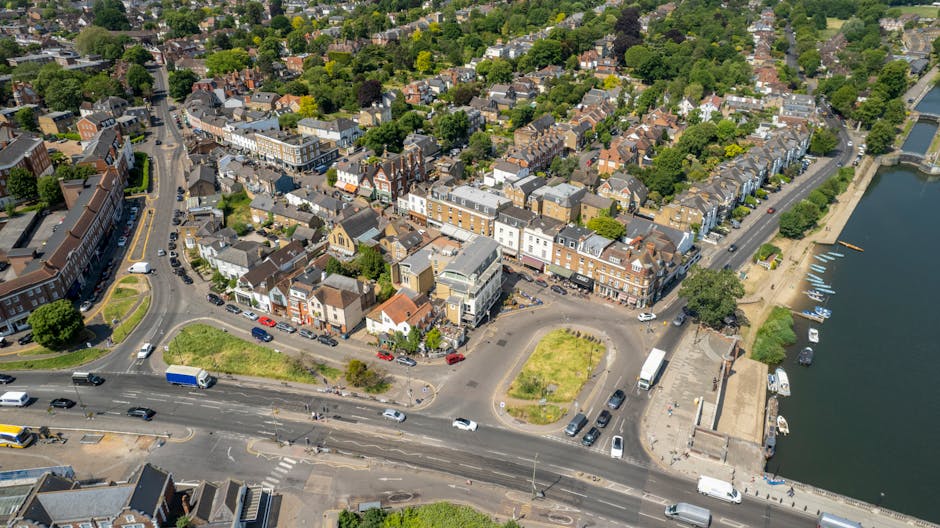
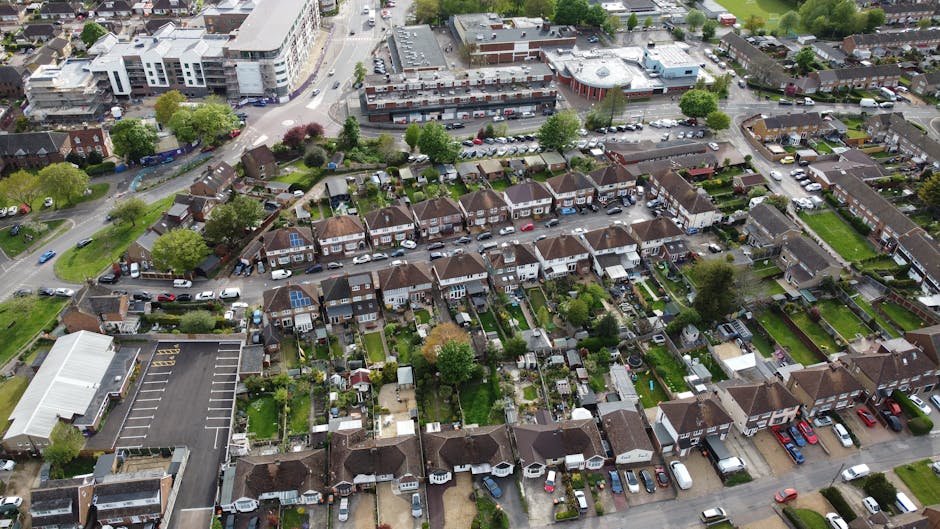
Crossness sits in a part of southeast London where access can be straightforward one minute and awkward the next. Estate roads, narrow kerbs, controlled parking bays, shared drives, turning space, and local traffic patterns can all affect where a removal vehicle can stand. A permit gives you a formal way to use the road space for a move, rather than hoping nobody objects or the van can squeeze in without issue.
That matters for three reasons. First, it reduces the risk of penalties or enforcement action if a vehicle is parked where it should not be. Second, it helps your movers work efficiently, which usually means less time spent carrying boxes from a distant parking spot. Third, it shows your neighbours and building managers that you have made an effort to plan properly. In a place where everyone is trying to get on with their day, that counts for a lot.
If your move involves large furniture, a piano, long carries through a block, or timed access to a flat, the permit question becomes even more important. It is one of those small moving-day details that can quietly make everything easier. Or harder. Usually harder if ignored.
There is also a broader planning angle. Removal work often overlaps with packing, cleaning, storage, and access timing. A permit is not a magic wand, but it helps the rest of the move click into place, especially if you are also using packing and boxes support in Crossness or arranging short-term storage in Crossness while you wait for keys or handover times.
How Bexley Council Permits for Removals in Crossness Works
At a practical level, a removals permit is about temporary use of road space. Depending on where the vehicle needs to stop, the council may require advance notice, specific timing, or approval for using a bay, suspension, or other parking arrangement. The exact route can vary by street, estate layout, and the type of vehicle being used. That is why it is worth checking the position early rather than leaving it to the morning of the move.
Here is the usual flow:
- Check the property access first. Look at the street, bay restrictions, estate rules, and whether the vehicle can stop close enough for safe loading.
- Confirm the vehicle size. A small van and a larger removal lorry are treated differently in practice, even if your boxes are the same size.
- Decide whether the move needs formal road space management. If a vehicle will block traffic, sit in a controlled bay, or need extra stopping time, a permit or similar arrangement may be needed.
- Build the permit request into the moving timeline. Do not leave it until the last minute. Little things become big things when the lift is due at 8:00 a.m. and the van cannot stop outside.
- Keep all details consistent. Address, date, vehicle type, and timings should match the move plan.
For many Crossness moves, the real issue is not the paperwork itself. It is the timing. Morning slots can be busy, school-run traffic can make short roads tighter than they look, and loading close to the property can save a surprising amount of stress. If your street has awkward corners or restricted access, local insights matter. That is one reason people often read practical guides like Crossness road access and best times to move before setting a date.
And yes, sometimes the job needs a bit of judgement. A smaller removal van may be able to work with less formal arrangement than a larger vehicle. But if there is any doubt, assume the access plan deserves proper attention. Guessing is not a strategy. It just feels like one until it goes wrong.
Key Benefits and Practical Advantages
The biggest benefit of planning for permits is simple: the move becomes easier to execute. But there are several less obvious advantages too.
- Closer loading and unloading. Fewer steps from door to van usually means less chance of bumps, drops, or tired mistakes.
- Reduced disruption. A planned stop is less stressful for neighbours, visitors, and other road users.
- Better timekeeping. Movers can work to schedule instead of wasting time hunting for parking.
- Lower manual handling strain. Shorter carry distances are kinder on backs, wrists, and furniture edges.
- Better protection for bulky items. Sofas, beds, wardrobes, and appliances are easier to move safely when the loading point is sensible.
There is also a quiet but valuable benefit: confidence. Once the access question is handled, the rest of the day feels more manageable. You can focus on packing, final checks, and getting the kettle on at the new place. Small win, but a real one.
If you are moving fragile or difficult items, permit planning pairs well with specialist handling. A good example is a piano move, where access and vehicle positioning matter just as much as the lifting itself. In situations like that, specialist piano removals in Crossness and practical move planning often go hand in hand.
Who This Is For and When It Makes Sense
Not every move in Crossness will need a formal council permit, but many do benefit from one way or another. It tends to make sense if any of the following apply:
- you live on a busy street with controlled parking
- your property is in a block or estate with limited access
- the vehicle needs to wait outside for a meaningful period
- you are moving large or heavy items that take time to load
- you are using a larger van or lorry for a full house move
- you are relocating offices, where equipment and furniture take longer to move
For flats and apartments, the challenge is often not the volume of belongings but the access pattern: lifts, stairs, shared entrances, short loading windows, and estate rules. If that sounds familiar, it may be worth looking at flat removals in Crossness alongside the parking and permit plan, because the two are rarely separate in real life.
Families moving out of a house, students shifting into or out of a flat, and businesses relocating an office can all run into the same basic issue. The move is straightforward. The access is not. That is really what this whole topic is about.
Step-by-Step Guidance
If you want the simplest possible approach, use this sequence. It keeps the moving day plan tidy and avoids the awkward "we should probably have checked that earlier" moment.
- Inspect the site. Check where the vehicle can realistically stop, how much room it will have, and whether any bays or restrictions are in place.
- Map the move timings. Work out your loading window, key handover time, lift availability, and whether neighbours are likely to need access at the same time.
- Choose the right vehicle. A compact van may be fine for a smaller move, while a larger job may need more room and a clearer parking arrangement.
- Decide whether a permit or bay arrangement is needed. If road space will be occupied in a controlled or sensitive area, plan for it early.
- Confirm the access route. Doors, lifts, stairs, corridors, and entry codes all matter. Sounds obvious, but people forget one of these almost every week.
- Share the plan with the removal team. Movers work best when everyone knows the vehicle position, arrival time, and access constraints.
- Prepare the load. Keep essentials separate, protect furniture, and stage boxes near the exit if possible.
- Do a final street check before arrival. Conditions can change overnight. Temporary works, parked cars, and estate activity can alter your plan.
A small note from experience: the best moves are usually the boring ones. Not in a bad way. Just calm, predictable, and organised. The permit piece helps create that feeling.
If your move involves a lot of packing first, a solid prep routine can make the whole thing much easier. You may find packing techniques for a smoother move and pre-move decluttering tips useful when you are reducing the volume that needs to go out on the day.
Expert Tips for Better Results
Here are the bits that tend to make the biggest difference in the real world.
- Book early if the street is tight. Limited road space fills up quickly, especially near estates and shared access points.
- Keep heavy items near the exit. If your sofa, mattress, or white goods are already staged, the carrying time drops dramatically.
- Use the right sized vehicle. Too small and you do multiple trips; too large and parking becomes a headache. Balance matters.
- Check weather and light. Wet pavements and poor visibility slow everything down. A damp morning at 7:00 a.m. can feel twice as long.
- Tell neighbours if access will be affected. A polite note or conversation can prevent a lot of friction.
- Protect corners and door frames. Access routes are where damage happens, not usually in the van itself.
One thing people underestimate is how much easier it is to move bulky furniture when access is planned properly. A sofa or bed that seems awkward can become manageable if the route, loading position, and timing all work together. For example, moving a large sofa is much less of a wrestling match when you have already thought through how it will leave the property. That is why guides like how to store your sofa properly and moving beds and mattresses safely can be surprisingly useful before moving day.
And if you are dealing with a heavy item that you are tempted to shift by yourself, pause. Not every job should be turned into a solo challenge. Sometimes the smartest move is simply getting help. No medal is handed out for a pulled back, after all.
Common Mistakes to Avoid
Most permit-related problems are not dramatic. They are just annoying. Which, honestly, can feel worse when you are already tired and carrying boxes.
- Leaving the permit question until the week of the move. This is probably the most common mistake.
- Assuming the van can stop anywhere for a few minutes. That assumption often causes trouble on restricted roads.
- Booking the wrong vehicle size. It affects both road access and how many trips are needed.
- Forgetting about estate rules. Some properties have their own access expectations alongside any council requirements.
- Not aligning permit timing with the removals schedule. If the vehicle arrives too early or too late, the plan breaks down.
- Ignoring loading safety. A rushed move near traffic or tight kerbs can become risky very quickly.
Another common issue is underestimating the hidden cost of poor access. More time spent walking from vehicle to door means more labour, more fatigue, and sometimes more risk of damage. If you want a clearer idea of where these extra pressures come from, this guide to hidden local moving costs in SE28 is worth a read.
Truth be told, plenty of move-day headaches start from one small assumption: "It'll be fine." Sometimes it is. Often, it is not.
Tools, Resources and Recommendations
You do not need a giant toolkit to manage a move well, but a few practical things help a lot.
- Measuring tape. Check vehicle access, furniture dimensions, door widths, and stair turns.
- Labels and marker pens. These save time when boxes are being unloaded at the new address.
- Furniture covers and blankets. Useful for protecting upholstered items and wood finishes.
- Straps or trolleys. Helpful for heavier or awkward loads, provided they are used safely.
- Phone notes or a simple checklist. Keep permit timing, access details, and contact numbers in one place.
For people moving in or out of Crossness, local knowledge is often more useful than any fancy gadget. Knowing which streets are awkward, when traffic eases, and how long a carry really takes can save more time than any box organiser. That is one reason local moving advice pages such as access tips near Crossness Pumping Station can be helpful if your route touches busier or narrower roads.
If you are still choosing a mover, look for a team that understands parking realities, building access, and local scheduling, not just van size. A reliable crew is part logistics, part patience. You want both.
Law, Compliance, Standards, or Best Practice
When removals take place in a controlled parking environment or on roads with restrictions, the legal and compliance side matters. The exact rules can vary, so the safest approach is always to confirm the current council process before the move. In the UK, moving teams also need to respect road safety, parking restrictions, property access rules, and general duties to avoid obstruction or unsafe loading.
Best practice usually includes:
- checking local parking restrictions before booking
- using a vehicle that fits the access conditions
- keeping loading areas safe and reasonably clear
- planning for pedestrians, neighbours, and other road users
- making sure the removal team understands any building or estate rules
If your move includes heavy lifting, good manual handling practice matters too. That means sensible lifting techniques, appropriate team numbers, and not trying to outmuscle a wardrobe through a narrow hallway at full speed. It sounds obvious because it is obvious, yet people still do it.
For an added layer of reassurance, many movers also look at business policies around safety, insurance, and working standards. Those details do not directly replace a permit, of course, but they do show how seriously a company treats the move. You can also review pages like insurance and safety and health and safety policy if you want to understand the wider approach to risk management.
Options, Methods, or Comparison Table
If you are deciding how to handle access for a move in Crossness, the choice often comes down to three practical approaches. None is perfect in every case; the right answer depends on the property, the vehicle, and the street.
| Approach | Best for | Pros | Trade-offs |
|---|---|---|---|
| Informal parking only | Very short, low-impact moves in easier streets | Quick, simple, minimal admin | Can be risky if restrictions apply or the van cannot stop close enough |
| Formal permit or parking arrangement | Controlled parking areas, busy roads, long loading windows | More secure access plan, less uncertainty | Requires planning and timing |
| Smaller vehicle with staged loading | Moves with limited access or tight estate layouts | More flexible positioning, often easier to place near the property | May need extra trips if the load is large |
In practice, a lot of moves use a mix of these methods. A small van may fit better, but if you are moving a full house the permit route may still be the cleaner option. It depends. Annoying answer, maybe, but honest.
For people comparing moving support options, it can also help to look at the wider service fit: man with a van services for smaller jobs, house removals in Crossness for bigger family moves, or office removals in Crossness where access and timing are more tightly coordinated.
Case Study or Real-World Example
Imagine a second-floor flat move in Crossness on a road with limited stopping space. The property has shared access, the lift is small, and the new tenant needs the handover completed before mid-afternoon. If the van parks too far away, the team spends extra time carrying boxes across the pavement, around parked cars, and through a narrow entrance. That sounds manageable for a few bags. It becomes tiring fast when there is a mattress, a dining table, and half a kitchen to move.
Now change one detail: the access plan is sorted before moving day. The vehicle size is chosen properly, the loading spot is confirmed, the team knows the entry route, and the paperwork is aligned with the road space needed. Suddenly, the same move feels calmer. Less back-and-forth. Less waiting. Less of that frantic "where is the next box?" energy.
That is usually the difference permits and access planning make. They do not make the lifting disappear, but they reduce friction everywhere around it. And when moving day is already emotionally loud, friction is the thing you want less of.
If the move is especially tight, reading local route advice such as estate access solutions for Thamesmead or moving bulky items without damage can help you think through the practical details before the van even arrives.
Practical Checklist
Use this checklist in the final days before your move.
- Confirm whether the street or estate needs a formal parking or stopping arrangement
- Check the vehicle size against the access space
- Measure doorways, lifts, stair turns, and any awkward corners
- Let movers know about restrictions, codes, or timed access windows
- Pack and label boxes clearly
- Stage fragile, heavy, and high-value items separately
- Protect floors, corners, and furniture surfaces
- Keep important documents, keys, and phone chargers close by
- Plan for weather, traffic, and any school-run congestion
- Build a little buffer time into the schedule, because something always takes longer than expected
If you want to streamline the rest of your moving plan, pairing this with a good clean-out and packing routine is worth it. A calm move usually starts with less clutter and fewer last-minute decisions. Very rarely does it come from panic, despite what people tell themselves at 11 p.m. the night before.
Conclusion
Bexley Council permits for removals in Crossness are not just an admin detail. They are part of a sensible, low-stress moving plan that helps you protect time, space, and sanity on the day. Whether you are moving from a flat, a family home, or a business premises, the same principle applies: good access planning makes everything else easier.
When you deal with parking and stopping arrangements early, you give yourself a smoother load, safer handling, and a much better chance of finishing on schedule. That might not sound glamorous, but on moving day, calm is gold. And honestly, that is the bit most people remember afterwards.
Take the permit question seriously, pair it with realistic packing and access planning, and the move in Crossness becomes far more manageable than it first looks. You will still be busy, of course. But busy and organised is a much better place to be than busy and scrambling.
Get a free quote today and see how much you can save.
Frequently Asked Questions
Do I need a Bexley Council permit for removals in Crossness?
Sometimes, yes. It depends on where the removal vehicle needs to stop, whether the area has parking controls, and how long loading is likely to take. If access is tight, it is sensible to check before moving day.
How far in advance should I check parking arrangements?
As early as you can. Ideally, bring it up as soon as you have a moving date. That gives you time to sort the vehicle, access, and any permit or stopping arrangements without rushing.
Are permits only for big lorries?
No. Even a smaller van can cause issues if it has to stop in a restricted bay or block a narrow road. Vehicle size matters, but the street layout matters too.
What happens if I do not arrange access properly?
You may face delays, awkward carrying distances, and possibly parking or enforcement problems. The move can still happen, but it is usually more stressful and less efficient.
Can I move from a flat in Crossness without a permit?
Possibly, yes, if the vehicle can park lawfully and close enough without causing issues. But flats often have shared access and tighter parking, so it is worth checking carefully.
Does estate parking count the same as street parking?
Not always. Estate rules can sit alongside council restrictions, which means you may need to account for both. That is why access checks are so important.
Will a permit make my move faster?
Usually, yes. Better parking tends to reduce carry distances and waiting time. It does not speed up the packing, but it can make the loading and unloading side much smoother.
What size van is best for a Crossness move?
It depends on how much you are moving and how tight the access is. A larger van may reduce trips, while a smaller van can sometimes fit more easily into awkward parking spaces.
Should I tell my removals company about access issues?
Absolutely. The more they know about bays, turning space, lifts, steps, and timing, the better they can plan. Small details make a big difference here.
Is moving in the morning better than later in the day?
Often, yes, especially in residential areas where parking becomes busier later on. Morning moves can still be messy, but they usually give you a cleaner run at the day.
What if I need same-day help because access has gone wrong?
That happens more often than people admit. If plans change at the last minute, a fast-response team can sometimes help rework the load plan. If you are in that situation, same-day removals in Crossness may be the kind of support you need.
Can I handle heavy furniture by myself while dealing with parking too?
You can try, but it is not always wise. Heavy furniture, awkward turns, and road-side loading are a bad combination when you are short on help. A safer plan is usually the better one, even if it feels slightly overcautious at first.
Where can I find more help with moving in Crossness?
It helps to look at practical moving guides, service overviews, and local access advice before the move. The best result usually comes from combining good access planning with solid packing, sensible timing, and the right size vehicle.