Office Relocation Services in Crossness
Moving your workplace in Crossness with less disruption

If you are planning an office move in Crossness, the right support can make all the difference. A workplace relocation is rarely just about carrying boxes from one building to another. It involves planning, coordination, access control, careful handling of equipment, and timing the move so business can continue with as little interruption as possible. That is why many local businesses look for Office Relocation Services in Crossness that understand the area, the pace of local operations, and the practical realities of moving in and around south-east London.
Crossness is a distinctive part of the Thames-side area, with a mix of industrial estates, business units, newer developments, and commercial premises connected to wider routes across Bexley and neighbouring districts. Whether you are based in an office suite, a shared workspace, a small business unit, or a larger commercial site, your move needs to be handled with care. Local knowledge matters when access roads, loading bays, parking restrictions, and building rules can all affect the schedule.
For many customers, the main priority is simple: move the office without losing valuable time, staff productivity, or important equipment. A well-managed office relocation service can help you do exactly that by creating a clear process from the first survey to the final setup. If you are comparing moving support in Crossness, it helps to know what is included, how the move works, and why choosing a local team can reduce stress from the start. Request a free quote when you are ready to plan your move.
Why Crossness businesses need a careful relocation plan
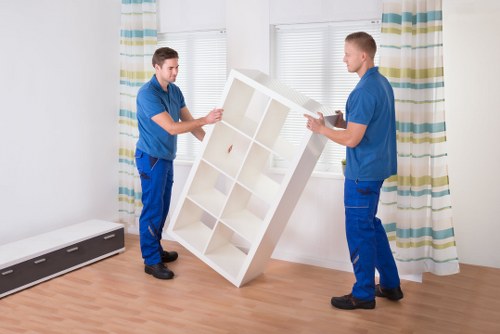
Office moves in Crossness often involve a combination of commercial property types. Some businesses occupy warehouse-style offices near industrial roads, while others operate from modern units, trade counters, or mixed-use premises close to transport links and business parks. These locations can all present different challenges. For example, narrow access points, limited on-site parking, time-restricted loading, or shared entrances can make a rushed move far more complicated than expected.
Local businesses also tend to work to tight schedules. If your team serves customers across Thamesmead, Abbey Wood, Belvedere, Erith, Plumstead, Woolwich, or the wider Bexley area, even a short interruption can affect service delivery. A structured relocation plan helps reduce downtime by breaking the move into manageable stages, such as packing, labelling, furniture handling, dismantling, transport, unloading, and reassembly.
Many customers searching for office moving help want more than transport alone. They want a team that can support the move with planning, logistics, and practical problem-solving. That includes managing bulky desks, conference tables, filing cabinets, archive boxes, IT equipment, and specialist office items. It also means understanding that every move is different. A small two-room office has different needs from a multi-department business with shared equipment and several teams to relocate. The best results come from a move designed around your workspace, not a one-size-fits-all approach.
What office relocation services typically include
A service built around the way you work

Office relocation services can be tailored to suit the size and structure of your business. In Crossness, local customers often want a flexible service that covers the essentials while also handling the finer details that keep a move organised. Depending on your needs, the service may include pre-move planning, packing support, furniture disassembly, safe transport, unloading, and arranging items in the correct rooms at the destination.
Many businesses also need help with specialised office content. IT equipment, monitors, servers, printers, document storage, and sensitive paperwork all require extra care. Some teams also require support moving meeting room furniture, reception items, shelving, display units, and office kitchen contents. A good relocation service should treat each category differently so that fragile or high-value items are protected properly.
For local customers, convenience is a major benefit. When you work with a relocation team familiar with Crossness and surrounding routes, you gain support that can adapt to site conditions, traffic patterns, and access arrangements. This is especially useful for businesses that need early-morning moves, weekend relocation windows, or phased moves that allow operations to continue during the transition.
Common inclusions may involve:
- Pre-move survey and planning discussion
- Packing of office contents using appropriate materials
- Labelling systems for easy unpacking
- Disassembly and reassembly of desks and office furniture
- Careful handling of IT and office electronics
- Safe loading, transport, and unloading
- Placement of items in the correct rooms or work areas
- Optional support for archive files and storage items
If your office move needs a few extras, it is worth asking about them early. The right team can often build a tailored plan that keeps things simple for your staff and manageable for your building management. Contact us today to discuss the level of support your relocation may need.
How an office move usually works in Crossness

Most successful workplace moves begin with a site discussion or assessment. This is the stage where the move is measured against the real conditions of your property. Is there a lift? Are there stairs? Is parking available for the vehicle? Can the loading area be used for the length of the move? Are there fragile items or IT systems that need a different handling approach? These questions help create a practical relocation plan.
Next comes packing and preparation. Some businesses prefer a full packing service, while others pack their own smaller items and leave furniture or technical equipment to the relocation team. Either way, the most important factor is organisation. Each item should be labelled clearly, and teams should know where boxes, desks, and equipment need to go at the new site. This makes unpacking faster and reduces confusion on the day.
On moving day, the focus is on efficiency and care. Furniture may be dismantled, wrapped, and carried out in a controlled sequence. Boxes are loaded securely to avoid shifting during transport. At the destination, everything is unloaded and placed according to the agreed plan. This approach reduces downtime and helps staff get back to work sooner.
Typical move stages include:
- Initial enquiry and move discussion
- Survey of the current and new office locations
- Move planning and schedule confirmation
- Packing, labelling, and dismantling as required
- Transport and delivery to the new premises
- Reassembly and placement of furniture and equipment
- Final checks and optional unpacking support
Some businesses in Crossness choose to move in stages, especially when dealing with larger teams, shared offices, or premises that need to stay partially operational. A phased relocation can be a smart way to avoid stopping all activity at once. If your business needs a flexible plan, ask for a move schedule that works around your trading hours and staff availability.
Why a local Crossness team can be especially useful

There is a clear advantage to using a local office relocation provider for work in Crossness. Local teams are more likely to understand the mix of commercial and industrial environments in the area, including access considerations that matter on the day. They are also better placed to plan around nearby routes, parking limitations, and building management requirements that may affect the flow of the move.
Crossness businesses often sit within a wider network of nearby commercial areas, and that means a move may involve busy roads, timed access slots, or shared entrances with other tenants. When your moving team understands this local context, they can prepare more accurately and reduce the risk of delays. This matters not only for large companies but also for small offices, start-ups, and growing local firms.
Another benefit of choosing a local provider is flexibility. If your plans change, if the office fit-out is delayed, or if you need an additional collection from storage, a nearby team may be better positioned to adapt. That can be reassuring for businesses that need reliable support without unnecessary complications. Book your service now if your move date is approaching and you want a practical plan in place.
Types of office customers we can support
Office relocation services are not only for large corporate premises. In Crossness, many different types of customers need moving support, and each one may have different priorities. Some need speed, others need confidentiality, and others want a carefully phased plan that protects business continuity. A professional relocation service should be able to adapt to all of these needs.
Examples of customers who may benefit include:
- Small businesses moving from one local office to another
- Growing teams relocating to larger premises
- Shared office and coworking occupiers
- Light industrial firms with office and admin areas
- Professional practices with documents and client files
- Retail or trade businesses with back-office space
- Organisations moving out of temporary premises
These moves can vary a lot. A business with a handful of staff may need help with desks, monitors, and paperwork. A larger company may need a coordinated move across several departments, with separate packing lists and room labels. The key is a service that responds to your actual workplace needs rather than treating every job the same.
Local premises in and around Crossness can also come with practical constraints such as shared corridors, service lifts, limited visitor parking, or the need to keep common areas clear. These factors should be considered well before moving day so that the relocation proceeds safely and respectfully for everyone involved.
Planning around access, parking, and building rules
One of the most important parts of office relocation in Crossness is dealing with access. Even when a move looks straightforward on paper, the reality of commercial property can be quite different. Some premises may have loading restrictions, others may require advance notice to use lifts, and some may only allow access during certain hours. Good planning helps avoid last-minute disruption.
Parking is another issue that often affects local moves. If a vehicle cannot park close to the entrance, the team may need to use trolleys or additional carrying time to get items in and out safely. In busy or shared sites, this can add pressure to the schedule. That is why a local move survey is so valuable: it allows the team to identify the likely pinch points before moving day arrives.
Building rules can also influence the process. Some landlords or site managers require floor protection, pre-booked lift access, or specific moving hours. A professional team should work with these requirements rather than against them. Clear communication with the building manager and your relocation provider can save a great deal of stress.
Helpful access questions to check early:
- Is there designated loading or unloading space?
- Are there height restrictions or vehicle limitations?
- Do lifts need to be booked in advance?
- Are there stairs, narrow corridors, or shared entrances?
- Are there time windows for deliveries or removals?
- Is floor protection required in the building?
If you are not sure about any of these points, a relocation team can often help you work through them during planning. That support is especially useful in busy commercial zones where timing and access are just as important as the move itself.
Preparing your office before the move
Good preparation makes any office move smoother. The earlier your team starts organising documents, files, and equipment, the easier the relocation becomes. In Crossness, where businesses often operate on tight schedules, planning ahead can make a noticeable difference to downtime and staff workload.
Start by identifying what is moving, what is being discarded, and what may need secure storage. There is little point in taking unnecessary furniture or old files into a new office if they no longer serve a purpose. A move is a good time to review equipment, reduce clutter, and create a better layout for the destination premises. Less clutter usually means a faster, cleaner relocation.
You should also make sure staff know how their items should be labelled. Clear naming systems make it much easier to place boxes in the correct rooms. Department colours, desk numbers, or simple room labels can all help. If your move involves confidential documents, decide in advance which items must remain secure and who will handle them.
Practical pre-move checklist:
- Confirm the move date and access times
- Tell staff what they need to pack and label
- Back up digital data and protect equipment
- Separate rubbish, recycling, and items for disposal
- Identify fragile, confidential, and high-value items
- Check furniture that needs dismantling
- Make sure the new office layout is finalised
A properly prepared office move can feel far less overwhelming. Even a modest amount of organisation before the relocation team arrives can save time and reduce the chance of lost items or confusion on the day.
What affects the cost of office relocation?
Customers often want to know what influences the price of office relocation services. Because every workplace move is different, pricing is usually shaped by the size and complexity of the job rather than a single fixed amount. The aim should be to receive a clear quote based on the actual work involved.
Common pricing factors may include the volume of furniture and boxes, the number of floors involved, whether there is lift access, the distance between sites, and whether packing or dismantling is required. Moves involving delicate IT equipment, archived files, or specialist office items may also need additional handling time. Access difficulties, parking constraints, and time-sensitive moves can also affect the overall scope.
It is wise to ask for a quote that reflects your exact requirements. If you are comparing options for office relocation in Crossness, make sure you understand what is included and whether any extra services are available if your needs change. This helps you budget sensibly and choose a service that fits your schedule as well as your premises.
Pricing can be influenced by:
- Size of the office and amount of contents
- Distance between the old and new premises
- Need for packing, unpacking, or materials
- Furniture dismantling and reassembly
- IT and specialist equipment handling
- Timing, such as evenings or weekends
- Access conditions at either property
Request a free quote if you want a clearer idea of how your office move could be planned. The more detail you can share, the more accurate the quote is likely to be.
Why businesses choose a professional relocation service
Some businesses consider managing an office move internally, especially if the premises are small. But even a simple move can become complicated when you factor in heavy furniture, fragile items, business documents, parking logistics, and the need to keep staff focused on their usual work. A professional relocation service helps reduce that strain by providing structure, equipment, and experience.
There are several clear benefits. First, it saves internal time. Rather than asking staff to spend days packing and carrying boxes, you can keep them focused on their roles. Second, it improves safety. Office furniture and electronics should be moved in a way that reduces risk to both people and property. Third, it protects business continuity. The move can be staged, timed, or organised around your trading pattern so that disruption is minimised.
In Crossness, where many businesses operate in practical, space-conscious commercial settings, those benefits can be especially valuable. A well-run relocation is not just about getting from one building to another — it is about helping your team settle into the new workplace quickly and with confidence.
Areas covered around Crossness
Businesses rarely move within one small point on the map. More often, a relocation in Crossness may involve surrounding locations or nearby commercial districts. That is why it helps to work with a team that can support moves across the wider area and understands the local routes involved.
Common nearby areas and destinations may include:
- Thamesmead
- Abbey Wood
- Belvedere
- Erith
- Plumstead
- Woolwich
- North Woolwich
- Charlton
- Parts of Bexley and the surrounding Thames-side business areas
If your office is moving from Crossness to another part of south-east London, or if you are arriving into the area from elsewhere, local route familiarity can help with timing and practical planning. This is particularly useful where access roads, mixed traffic, or site-specific delivery rules are part of the move.
Frequently asked questions
How far in advance should I book an office move?
It is best to book as early as possible, especially if you want a specific date, a weekend move, or support with a larger office. Early booking gives you more time to plan access, packing, and staff preparation.
Can the move be done outside normal office hours?
Yes, many businesses prefer early, late, or weekend moving times to reduce disruption. This is often a helpful option for commercial premises where daytime trading must continue.
Can you help with furniture dismantling and reassembly?
In many cases, yes. Desks, meeting tables, storage units, and similar furniture often need to be taken apart before transport and rebuilt at the new location. This makes the move safer and more efficient.
What about fragile or confidential items?
Fragile and confidential items should be identified in advance. Sensitive documents, specialist electronics, and breakable office items usually need extra care and clear handling instructions.
Do I need to pack everything myself?
Not necessarily. Some companies choose a full packing service, while others only need help with furniture and large items. The right option depends on your budget, available staff time, and the complexity of the move.
Can a relocation service handle small offices as well as larger ones?
Yes. Office relocation services are useful for small businesses, start-ups, shared offices, and larger companies alike. The process can be scaled to match the size of the move.
What if my new office is not ready on the exact moving day?
That situation is quite common. If there is a delay, you may need to discuss storage, phased relocation, or a revised schedule. It is best to raise this early so arrangements can be made smoothly.
Choosing the right office relocation service in Crossness
When selecting a provider, look for a team that listens carefully, asks useful questions, and prepares a move around your actual business needs. The right service should feel organised from the first conversation. It should also be transparent about what is included, what might cost extra, and how the move will be handled on the day.
For Crossness customers, it is particularly helpful to choose a team that understands local access conditions and commercial property types. Whether your office is in a compact unit, a mixed-use building, or a larger industrial-style workspace, experience with similar settings can make a big difference. Local insight, careful handling, and clear planning are the foundations of a smoother move.
If you are preparing for a relocation and want practical support, now is a good time to take the next step. Contact us today to talk through your moving requirements, request a free quote, or book your service now if your moving date is already set. With the right plan in place, your office relocation in Crossness can be far more straightforward and far less disruptive than trying to manage it alone.