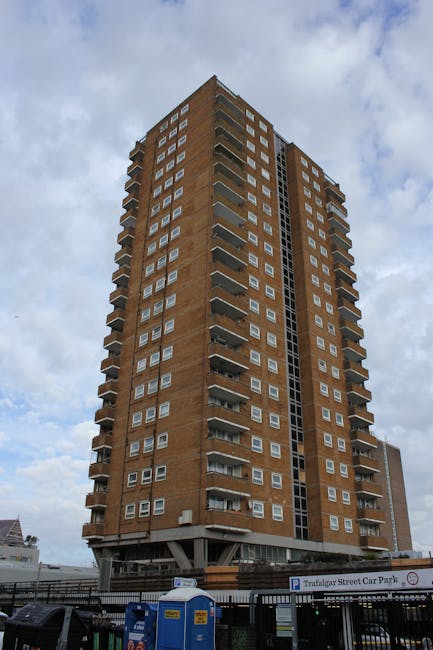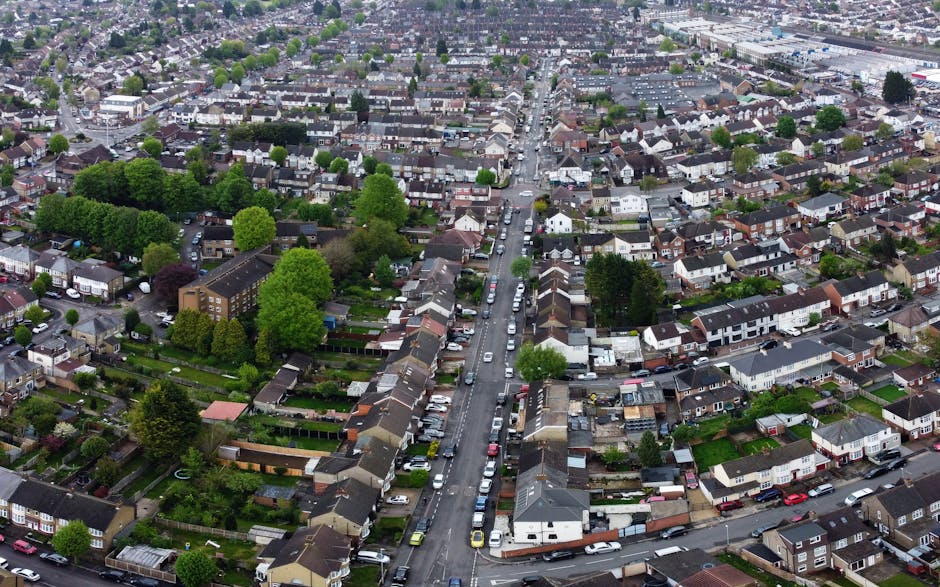
Crossness SE28 Removals for Thamesmead North Flats: A Practical, Local Guide to Moving Well
If you are planning Crossness SE28 Removals for Thamesmead North Flats, the job usually looks simple from the outside and then gets complicated very quickly. Flats add their own little twist: stairs, lifts, parking, access routes, awkward corners, neighbours, timing restrictions, and that one sofa that suddenly seems to have grown in the hallway. Truth be told, the difference between a stressful move and a smooth one is often just preparation, clear communication, and the right kind of removals support.
This guide walks you through what matters, how the move typically works, what to watch out for, and how to make sensible decisions for a flat move in and around Thamesmead North. You will also find practical checklists, a comparison table, a real-world style example, and answers to common questions people ask before booking a move. If you want a calmer moving day, you are in the right place.
Why Crossness SE28 Removals for Thamesmead North Flats Matters
Flat removals in Thamesmead North are not just about carrying boxes from one place to another. They are about working within a specific environment where access, timing, and building etiquette matter. A ground-floor house move and a flat move can feel like two different jobs altogether. In a flat, even small oversights can slow everything down. Parking may be tight. Lifts may need booking. Corridors may be narrow. There may be shared entrances, busy courtyards, or stairwells that demand careful handling.
For residents moving into or out of Thamesmead North Flats, planning properly reduces damage risk and avoids last-minute arguments with neighbours or building staff. It also saves energy on the day itself, and let's face it, moving already takes enough out of you. Nobody wants to be carrying a wardrobe upstairs while trying to remember where the kettle went.
The local relevance matters too. Crossness and the wider SE28 area have their own transport patterns, parking realities, and residential layout considerations. That means a generic removals approach may not be enough. A better plan considers the building access first, then the packing, then the loading order. It sounds simple, but that sequence makes a big difference.
If you are comparing providers, it is worth looking at broader help beyond the van itself. Some moves need support from removal services, while others benefit from a more flexible approach such as man and van assistance for smaller flat moves, single-room relocations, or partial loads. For bigger homes or more complex moves, house removals may be the better fit, even if your current property is a flat.
How Crossness SE28 Removals for Thamesmead North Flats Works
At a practical level, a flat removal starts long before the vehicle arrives. The first stage is usually a quick assessment of the move: how many items you have, whether there are fragile pieces, how the building is accessed, and what needs dismantling or protective wrapping. From there, the mover plans the vehicle type, crew size, timing, and loading order.
For a Thamesmead North flat, access details can matter more than people expect. A lift may be available, but that does not always mean it can take large items. A stairwell may be wide enough for boxes but awkward for white goods. Parking might be possible, but not exactly beside the entrance. These are the sort of real-life details that shape the whole job.
The moving process is usually broken into these stages:
- Pre-move review - inventory, access, fragile items, and timing are discussed.
- Packing and preparation - boxes are labelled, furniture is protected, and items are grouped by room.
- Arrival and loading - the team loads heavier items first, then stacks lighter goods safely.
- Transit - the vehicle moves to the destination, with care taken for fragile loads.
- Unloading and placement - boxes and furniture are moved into the correct rooms.
Some customers choose extra help with wrapping and unpacking. That is especially useful if you are moving with children, working long shifts, or simply do not want to live inside cardboard for the next three days. In those cases, packing and unpacking services can save a surprising amount of stress.
If the move is only a few items or a smaller flat, a lighter setup may be enough. A moving van can suit compact moves well, while larger loads may call for a moving truck. The right choice depends on volume, access, and how many trips you want to avoid.
Key Benefits and Practical Advantages
When a flat move is planned properly, the benefits are obvious pretty quickly. Less lifting pressure. Less damage risk. Less time standing around wondering where the spare keys are. And, crucially, less chaos in shared spaces where neighbours may also be trying to get on with their day.
Here are the main advantages people tend to value most:
- Better handling of access issues - narrow entrances, lifts, and stairs are managed with more care.
- Reduced damage risk - furniture, doors, walls, and communal areas are less likely to be knocked or scuffed.
- Time savings - professional planning tends to cut down loading delays and repeat trips.
- Less physical strain - useful if you are moving on your own or have heavier furniture.
- More predictable scheduling - a planned removal is easier to slot around landlord handovers or key collection windows.
There is also a nice mental benefit that people underestimate. When your move is organised, your brain gets to breathe a bit. You stop feeling as though everything is on fire. Not literally, obviously. But close enough sometimes.
For business users or landlords moving equipment, the same principle applies. If your flat move overlaps with storage, office items, or small commercial loads, a provider that also handles commercial moves can be useful. That cross-over can keep things tidy instead of splitting the job across different suppliers.
Who This Is For and When It Makes Sense
This kind of removals support is a good fit for a few different situations. Some are obvious, some less so. In our experience, people often think they need a huge team when the job is actually best handled with a smaller, nimble setup. Other times they assume a tiny van will do, and then the second mattress appears and everything changes. Funny how that works.
It makes sense if you are:
- moving into a flat in Thamesmead North for the first time
- leaving a flat and need help moving furniture safely
- relocating between two SE28 addresses
- moving a single room, studio, or one-bedroom flat
- downsizing and only taking part of your furniture
- handling a move after work, on a tight schedule, or around family commitments
- needing transport for bulky items that are hard to manage alone
It also makes sense when timing matters. For example, if you have a same-day key handover, a lift booking slot, or a short parking window, a well-organised removals plan helps everything run more smoothly. That can be the difference between a calm afternoon and a very long evening.
If you are unsure which level of help you need, a straightforward removals near me search may show options, but the real question is not proximity alone. It is whether the mover understands flat access, local parking constraints, and the kind of load you are actually moving.
Step-by-Step Guidance
A good flat move has a rhythm to it. You do not need to overcomplicate it, but you do need a plan. Here is a practical way to approach Crossness SE28 removals for Thamesmead North Flats without getting overwhelmed.
- Walk the property first. Check what is moving, what can be dismantled, and what may need extra protection.
- Measure awkward items. Sofas, wardrobes, beds, and appliances are the usual troublemakers.
- Check access. Note whether there is a lift, stairs, entry codes, parking space, or timed access.
- Sort by priority. Keep essentials separate: documents, chargers, medication, tea stuff, and one change of clothes. Very important. The kettle box is sacred.
- Label everything clearly. Room names help, but brief content notes help more.
- Protect the building. Use covers for floors or corners if needed, and be respectful in communal areas.
- Load in a sensible order. Heavier items first, fragile items secured and clearly identified.
- Confirm where each item goes. That saves you from ending up with six boxes in the wrong bedroom.
A small but useful habit: keep one bag or box with essentials close to you rather than in the van. A phone charger, tea bags, toiletries, and keys can make the first night feel almost normal. Almost.
Expert Tips for Better Results
There are a few habits that consistently make flat removals easier. None of them are glamorous, but they work. And honestly, moving is not really the time for glamour anyway.
- Book your arrival window with building access in mind. If the lift is shared or the entrance gets busy, aim for a quieter time where possible.
- Use fewer, stronger boxes. Overfilled boxes are a recipe for strained backs and split cardboard.
- Dismantle furniture early. Waiting until moving morning is asking for a lost screw or a missing Allen key.
- Keep screws and fittings together. Use labelled bags taped to the furniture or packed in one clearly marked box.
- Protect floors and corners. Communal areas can be unforgiving, and it is courteous to leave them as you found them.
- Tell your mover about awkward pieces. What seems obvious to you may not be obvious to anyone else.
If you are comparing operators, pay attention to whether they talk about planning and handling, not just vehicle size. A decent removal company should sound calm, practical, and specific. That calmness usually tells you more than a polished sales pitch.
Another useful tip: be honest about the volume. People sometimes understate what needs moving because it feels easier, but that can backfire. A few extra boxes and a chair or two can change the vehicle choice. Better to be slightly overprepared than rushing for a second trip at the end of the day.
Common Mistakes to Avoid
Most moving mistakes are not dramatic. They are small decisions that create friction later. The good news is that nearly all of them are avoidable if you spot them early.
- Not checking access properly. A van parked too far away can add a lot of carrying time.
- Ignoring lift restrictions. Some items simply will not fit comfortably, even if the lift is technically available.
- Packing too late. Last-minute packing always leads to forgotten essentials.
- Mixing fragile and heavy items. This is how glasses get crushed and lampshades get bent.
- Not clearing the destination. If old furniture or clutter is still in the way, unloading becomes awkward fast.
- Forgetting building rules. Shared blocks sometimes have specific moving expectations, and ignoring them can create tension no one needs.
One subtle mistake is assuming a removals team will automatically know the best route from street to flat. In reality, you need to point out the small things: the entrance round the back, the door code, the awkward tight corner at the lobby, the lift that occasionally plays up. Those details save time.
And yes, people still forget the keys. More often than you would think.
Tools, Resources and Recommendations
You do not need a warehouse full of gear to make a flat move work well. A few simple tools are enough if you use them properly.
| Tool or Item | Why it helps | Best use in a flat move |
|---|---|---|
| Strong boxes | Reduce breakage and collapse | Books, kitchenware, accessories |
| Bubble wrap or paper wrap | Protects delicate items | Glass, ornaments, lamps |
| Labels and marker pens | Speeds up unloading | Room names, fragile items, priority boxes |
| Furniture covers | Helps prevent scuffs and dust | Sofas, mattresses, wardrobes |
| Toolkit | Useful for dismantling and reassembly | Beds, tables, shelving |
| Tape and bags for fittings | Keeps screws together | Flat-pack and furniture hardware |
In terms of service choice, a few options are worth considering. Small, quick moves often work well with a man with van setup. If you need broader support and careful handling across a fuller inventory, movers can be a better match. For households moving between flats and larger homes, home moves support can cover a wider range of move types.
If you are looking for good value, think beyond the headline price. Ask what is included, how access issues are handled, and whether packing help is available. A slightly higher quote can still be better value if it avoids damage, delays, or hidden add-ons later.
Law, Compliance, Standards, or Best Practice
For flat removals in the UK, the legal and compliance side is not usually complicated for the customer, but there are still sensible standards to follow. The big one is care. You are moving through shared spaces, so it is best practice to avoid blocking entrances, damaging communal walls, or leaving waste behind. A professional team should also handle items in a way that reduces manual handling risk.
From a practical standpoint, good movers normally pay attention to insurance, safe lifting, and clear communication. It is sensible to ask about these things before you book. You do not need a lecture, just plain answers. If a provider discusses safe handling and liability in a calm, direct way, that is a good sign.
It is also wise to respect building rules, parking arrangements, and any instructions from landlords, managing agents, or residents' associations. Even when those rules feel a bit fussy, they often exist to keep shared living spaces workable. In a flat block, courtesy is part of the job.
For sustainability-minded moves, it can help to choose providers that think about reuse and disposal properly. If that matters to you, see whether they offer responsible disposal or discuss recycling and sustainability in a practical way, not just as a buzzword.
Options, Methods, or Comparison Table
Different moving methods suit different Thamesmead North flat moves. There is no one-size-fits-all answer, despite what some sales pages might imply. The right choice depends on volume, access, and how much help you want on the day.
| Method | Best for | Strengths | Trade-offs |
|---|---|---|---|
| Man and van | Small flats, light loads, single-room moves | Flexible, efficient, often more affordable | May need careful packing and volume control |
| Dedicated movers | Medium-to-large flat removals | More support, more structured loading, better for heavier furniture | Can cost more than a basic vehicle-only option |
| Moving van | Compact local relocations | Good for tight access and local trips | Limited space for bulkier inventory |
| Moving truck | Larger flat inventories or mixed household loads | Higher capacity, fewer trips | May be harder with awkward parking or restricted access |
If your move includes furniture that needs picking up separately, a service such as furniture pick up can help consolidate things before the main moving day. That is often useful when a new sofa arrives later than expected, which, to be fair, happens more often than anyone likes.
For some people, the simplest choice is to keep everything under one organised move rather than splitting it into bits. For others, splitting works better if the flat is small and the access is awkward. Either way, the method should match the reality of the building, not the wishful version in your head.
Case Study or Real-World Example
Picture a typical Thamesmead North flat move on a damp weekday morning. Nothing dramatic, just a normal day with a bit of drizzle on the windows and a parking space that looks slightly too tight for comfort. The customer has a one-bedroom flat, a bed frame, a small sofa, a dining table, boxes of books, and a few fragile kitchen items. There is a lift, but it is shared, and the entrance has a narrow turning point.
Instead of trying to do everything in one chaotic rush, the move is broken into clear stages. Fragile items are boxed separately. The bed is dismantled the night before. The customer keeps a small bag with essentials and leaves the kettle accessible. The van arrives after the lift window opens, and the loading order is planned so the sofa goes in first, followed by boxes, then the lighter items. Nothing fancy. Just sensible work.
The result is a move that finishes on time, with no scuffed walls and no panicked search for charger cables. That is the kind of outcome people usually want, even if they do not say it out loud. The flat still feels like a worksite for a moment, but the worst of the stress is gone before lunch. And that matters.
That same approach works whether you are using a man and van removals setup or a more structured full-service approach. The key is the planning, not the label.
Practical Checklist
Use this checklist in the final days before your move. It keeps the whole thing grounded. Nothing fancy, just the useful bits.
- Confirm the moving date and access times
- Check lift availability or stair access
- Measure large furniture and awkward items
- Pack fragile items separately
- Label boxes by room and priority
- Keep essentials in one bag or clearly marked box
- Dismantle furniture if needed
- Set aside screws, fittings, and manuals together
- Check parking arrangements near the building
- Let neighbours or building management know if appropriate
- Protect floors, doors, and corners where needed
- Confirm payment, security, and booking details in advance
If you want to review service policies before booking, it can also help to read about insurance and safety, along with the site's terms and conditions and pricing and quotes information. That gives you a more grounded sense of what to expect. Less guesswork, more confidence.
Get a free quote today and see how much you can save.
Conclusion
Crossness SE28 removals for Thamesmead North Flats work best when the move is treated as a logistics job, not just a lift-and-go job. Once you account for access, parking, packing order, and building etiquette, things become much easier. The move feels less like a scramble and more like a plan that is actually under control.
Whether you are moving a small flat, a larger apartment, or just a few bulky items, the right approach is the one that matches the property and the way you live. Start early, be specific about access, and choose support that understands flat moves properly. Simple advice, yes. But it saves a lot of hassle.
At the end of the day, a smooth move is not about perfection. It is about keeping the day steady, the boxes sensible, and your stress level somewhere near human. That is more than enough.
Frequently Asked Questions
What does Crossness SE28 removals for Thamesmead North Flats usually include?
It usually includes transport for household items, loading and unloading help, and planning around flat access such as stairs, lifts, and parking. Some services also include packing support or furniture handling.
Is a man and van suitable for a Thamesmead North flat move?
Yes, often it is. A man with a van or similar setup can work well for smaller flat moves, light furniture, or short local relocations. The key is matching the vehicle size to the actual load.
How far in advance should I book a flat removal?
Earlier is usually better, especially if your building has access restrictions or your moving date is fixed. A bit of lead time helps with planning, parking, and vehicle choice. Last-minute bookings can still work, but the options may be tighter.
Do I need to dismantle furniture before moving day?
Not always, but it helps with bulky items like beds, wardrobes, and certain tables. If you are not sure, ask the mover what they recommend based on your furniture and access route.
What if the lift is too small for my furniture?
Then the mover may need to use the stairs or rework the move plan. Measuring the lift and the furniture in advance is a smart move. It avoids the awkward moment where a sofa gets stuck halfway in and everyone goes quiet.
How do I prepare for moving out of a flat in Crossness SE28?
Pack early, label clearly, measure the larger items, check parking, and keep essentials separate. It also helps to notify anyone managing the building if that is expected in your block.
Can removals help with fragile or valuable items?
Yes, but you should tell the mover in advance. Fragile items need better packing and careful placement in the vehicle. High-value items should be discussed clearly so expectations are realistic.
What is the difference between removals services and a moving van?
A moving van is primarily the vehicle. Removal services usually imply broader help, such as loading, unloading, planning, and sometimes packing support. The better choice depends on how much assistance you want.
How can I avoid damaging communal areas during the move?
Use protective covers where needed, move carefully through shared spaces, and make sure larger items are handled by people who know how to turn them properly. A little patience goes a long way in flats.
Is it worth paying for packing and unpacking services?
If your schedule is tight, your flat is full of fragile items, or you simply do not want to spend the weekend living in box towers, yes, it can be very worthwhile. It often reduces both stress and damage risk.
How do I compare quotes for Thamesmead North flat removals?
Look at what is included, not just the headline price. Check the likely vehicle size, whether stairs or waiting time are covered, and whether packing help or dismantling is included. A fair quote should feel clear, not mysterious.
What should I ask before booking a removal company?
Ask about access planning, insurance, vehicle size, timing, and how they handle fragile or bulky items. You can also review the company's about us page to get a sense of how they present their service and approach.
What if I only have a few items to move?
Then a lighter service may be enough. A smaller van or single-helper setup can be practical for a few boxes, a bed, or a couple of pieces of furniture. It is a common scenario, and there is no shame in keeping the move simple.
Can I get help if I'm moving out of hours or on a tight schedule?
Sometimes yes, depending on availability and building access. The important thing is to communicate the time constraints early so the move can be planned properly rather than improvised at the last second.
Where can I go next if I want to book a move?
If you are ready to take the next step, a simple enquiry is the easiest route. You can also review contact details and the site's booking information before making a decision. A little checking now saves a lot of chasing later.