Moving Bulky Items from Thamesmead Flats Without Damage
Posted on 02/06/2026
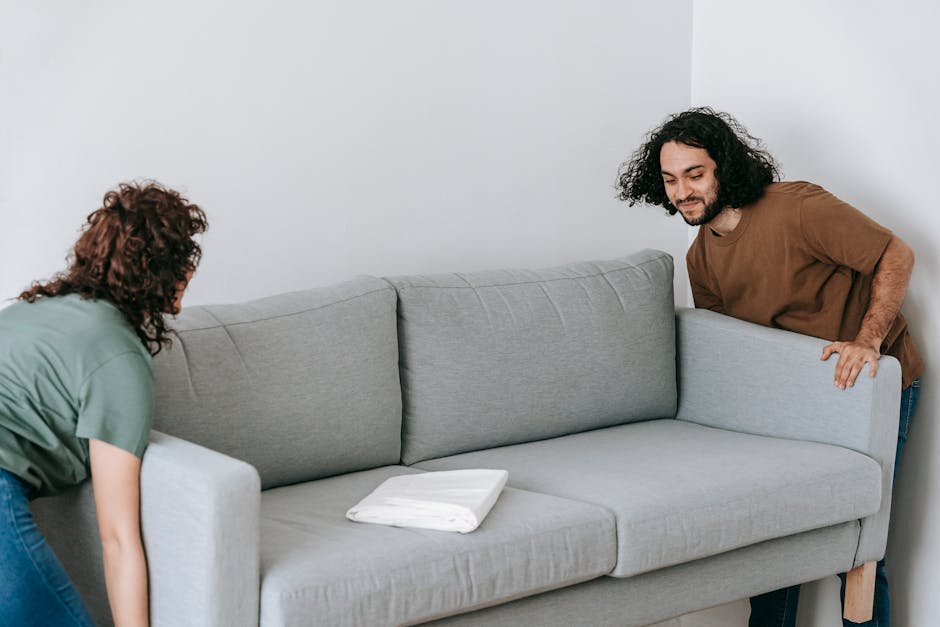
Moving a large sofa down a Thamesmead stairwell, or squeezing a mattress through a tight flat doorway at 8am, is the kind of job that looks straightforward until you are halfway through it. Then the corners, bannisters, lift doors, and awkward turns start to matter. Moving bulky items from Thamesmead flats without damage is really about planning well, protecting the property, and choosing the right method before you even lift a hand.
Whether you are dealing with a heavy wardrobe, a bed base, a piano, or a freezer that has seen better days, the goal is the same: protect the item, protect the building, and protect your back. This guide walks through the practical side of flat moving in Thamesmead, including access issues, packing, lifting, compliance, and the point where professional help starts to make a lot of sense.
Why Moving Bulky Items from Thamesmead Flats Without Damage Matters
Thamesmead flats can present a very particular mix of challenges: narrow internal corridors, shared entrances, lifts that are useful until they are not, and stairwells that make large furniture feel two sizes bigger. A bulky item does not only risk damage to itself. It can mark walls, chip paint, scratch flooring, crack a frame, or leave a nasty knock on a landing corner that every neighbour will notice. Not ideal.
This matters for a few reasons. First, repairs are expensive and time-consuming. Second, if you are renting, damage may affect your deposit or handover. Third, bulky items are often emotionally or financially valuable. That oak sideboard, the family piano, or the bed you just bought last year can all suffer from one careless turn on a stairwell. In our experience, most avoidable damage happens not during the lift itself, but in the last few metres: door frames, thresholds, corners, and blind turns.
There is also a safety angle. Heavy lifting in a flat is rarely a solo sport. A piece that shifts unexpectedly can cause back strain, crushed fingers, or a trip hazard on a busy landing. If you are moving in a shared building, timing and communication matter too. People still need to get through, bins need to go out, and the lift is not yours alone just because you booked the day off. Let's face it, residential blocks run on a sort of quiet choreography.
For readers comparing options, it is worth looking at broader moving guidance as well. A well-planned flat move often benefits from effective packing techniques, a bit of pre-move decluttering, and the right vehicle support such as a suitable removal van option when the item is simply too awkward for a standard car trip.
How Moving Bulky Items from Thamesmead Flats Without Damage Works
The process is simpler than it looks, but only if you break it into stages. The safest moves usually follow the same pattern: assess, protect, route, lift, load, and check. That sounds obvious, yet many damage incidents happen because people start at the lifting stage and skip everything before it.
Start with measurement. Measure the item, then measure the narrowest point in the route: the front door, hallway bend, lift entrance, landing, and the van opening. You need the item to clear the route with a little breathing space. A sofa that fits on paper can still snag on a stair turn if the angle is off by just a bit. Same with wardrobes, freezer units, and bed frames. A tape measure is boring, yes, but very powerful.
Next comes protection. That usually means furniture blankets, corner guards, stretch wrap, straps, and sometimes dismantling. Many bulky pieces move better if you remove legs, shelves, handles, or headboards first. A quick disassembly often reduces stress on the item and on the movers. For items like beds and mattresses, specialist handling helps; there is a reason people search for practical mattress and bed moving advice instead of just winging it.
Then you work out the route. In Thamesmead, this may involve lift access, stair access, booking loading space, or choosing an easier time of day to avoid congestion. If parking is tight, planning around the street layout can save you a lot of grief. The local access detail is especially useful near busier routes, and articles like parking and access guidance for Crossness Road moves can help you think in the right way even when your building is a bit different.
Finally, load carefully. Keep the item upright if its design requires it, protect the corners, and never let one person carry all the weight when the load is unstable. If the object is unusually delicate or weighty, such as a piano, specialist handling is the sensible option. There is a reason the topic of piano removals in Crossness comes up so often in local moving conversations.
Key Benefits and Practical Advantages
Doing this properly gives you more than just a damage-free outcome. It changes the whole moving day from chaotic to manageable. That is not exaggeration. A calm move usually feels shorter, even if the clock says otherwise.
- Lower risk of property damage: protected walls, banisters, floors, and door frames.
- Lower risk of item damage: less chance of torn upholstery, broken legs, or dented surfaces.
- Safer lifting: fewer back strains and fewer sudden slips.
- Smoother building access: shared spaces stay tidy and your neighbours stay happier.
- Better time control: fewer pauses to fix preventable problems.
- Less stress: and honestly, that matters more than people admit.
There is another advantage that often gets overlooked: a careful move makes unpacking easier. If bulky items arrive clean, wrapped, and intact, you can place them immediately without first hunting for touch-up paint or a screwdriver you somehow packed into the wrong box. Small mercy. Big difference.
If you are moving more than one item, the benefits multiply. A properly planned load sequence means the van space is used efficiently and the heaviest pieces are positioned where they are least likely to shift. That is a quiet little win, but a real one. If you are comparing support options, services such as furniture removals in Crossness are often the most relevant fit for bulky domestic items.
Who This Is For and When It Makes Sense
This approach suits anyone moving large items from a flat, but it is especially useful if you live in a block where access is awkward or limited. Think one small lift, shared stairwells, narrow corridors, or parking that is never where you want it to be.
It makes particular sense for:
- tenants moving out of rented flats
- homeowners relocating large furniture between addresses
- students with oversized desks, wardrobes, or beds
- older residents who need a careful, patient approach
- families moving a mix of furniture and appliances
- businesses moving equipment from upper-floor premises
If you are moving just one item, a van and a careful pair of hands may be enough. If the item is awkward, valuable, or heavy enough to require team lifting, then professional assistance is usually worth considering. There is no badge of honour in forcing a sofa round a corner by yourself. Truth be told, the corner usually wins.
This is also a good time to think about the rest of the move. If you are combining bulky furniture with general household contents, a broader service can be more efficient. Many readers find it helpful to compare flat removal support in Crossness with the more general removals in Crossness option, depending on how much needs to go and how tightly the day is scheduled.
Step-by-Step Guidance
1. Walk the route before moving anything
Look at the actual path from room to van. Check for tight corners, low lights, loose rugs, doorstops, and anything that could snag. Open every door fully if possible. If the lift is tiny, measure it properly rather than assuming. People often forget the thickness of the item when they are only thinking about width.
2. Clear the space
Move footwear, bins, bags, and small furniture out of the route. If there is a precious mirror or lamp in the hall, take it out of harm's way. A clear route is not just safer; it makes people move more confidently and slowly, which is exactly what you want.
3. Protect surfaces before lifting
Use blankets, cardboard, corner guards, and floor protection where needed. On polished floors or older laminate, even a tiny scuff can stand out later. On painted walls, a single knock can leave a visible mark that seems to stare at you for weeks. Annoying, that.
4. Strip the item down where possible
Remove detachable parts. For beds, take off the mattress, slats, and headboard if practical. For sofas, remove cushions and detachable feet. For wardrobes and cabinets, empty contents first and secure loose shelves. If the item needs more specialist care, it may help to review tips for preserving a sofa properly before and after transport.
5. Lift with the right number of people
Two people may be enough for a medium item, but larger objects can need three or four depending on shape and weight distribution. Communicate clearly: one person leads, the others follow instructions. No competing instructions, please. It turns into a mess very quickly.
6. Keep the item balanced
Do not tilt more than necessary. Keep the centre of gravity under control, especially on staircases. If a piece becomes unstable, stop and reset. A short pause is far better than a dropped corner or strained shoulder.
7. Load the van carefully
Place the heaviest items first and secure them with straps or load bars if available. Fill gaps with lighter items or padding so nothing slides. The van should feel packed, but not crushed. If your move includes several large items plus boxes, packing and boxes support in Crossness can make the load more orderly from the start.
8. Check the flat before leaving
Do a final room-by-room scan for marks, screws, tools, and packaging left behind. If you are handing the flat back, this is also the point to confirm whether a full clean is needed. A proper handover often goes more smoothly when you pair the move with a solid move-out clean.
Expert Tips for Better Results
One of the biggest truths in removals is that the best move looks almost boring. No drama, no sprinting, no heroic last-minute heaves. Just steady, careful action.
- Use the right wrapper for the right surface. Soft blankets for wood, breathable protection for fabric, and extra corner padding for high-impact edges.
- Protect corners first. Corners are what hit doors and walls. Always.
- Keep hands clear of pinch points. Fingers get caught where people least expect them, usually during a turn.
- Use the lift properly. If the lift can fit the item, protect the floor and walls inside it rather than rushing.
- Break the task into two-minute jobs. Open, pad, lift, pause, adjust. It prevents overload.
- Plan around building rhythms. Mid-morning can be calmer than the school-run rush or early-evening return traffic.
Here is a small but valuable detail: remove the item from its resting position gently, then pause before the first move. That half-second helps everyone check grip, balance, and route. It sounds trivial. It is not.
If you are moving particularly awkward items, such as a piano or large cabinet, it can be worth using experienced movers rather than relying on improvised strength. The same logic applies to anyone tempted to move alone. Helpful reading includes solo heavy object lifting tips and the more body-mechanics focused ergonomic lifting techniques guide.
Common Mistakes to Avoid
Most damage during flat moves comes from a handful of predictable errors. Once you know them, they become easier to avoid. Simple enough, but very easy to ignore in the rush.
- Skipping measurements. Guessing usually ends badly on stairs or at doorframes.
- Moving with clutter in the way. One stray shoe can become a trip hazard.
- Using too few people. A bulky item may be liftable, but not safely liftable alone.
- Forgetting to protect the route. Door edges and walls need protection as much as the item.
- Dragging instead of lifting. Dragging creates scratches and unstable movement.
- Packing the van too loosely. Movement in transit causes knocks and sliding.
- Leaving loose fittings attached. Handles, feet, and shelves can break off mid-move.
Another common mistake is underestimating time. A move that starts with confidence can easily slow when the lift is busy, parking takes longer than expected, or the item simply refuses to turn the corner. Build a little cushion into the day. You will thank yourself later, probably with tea.
Tools, Resources and Recommendations
You do not need a warehouse of equipment, but a few basics make a huge difference. The point is not to overbuy. The point is to avoid using towels, guesswork, and optimism as your only plan.
| Tool or Resource | What It Helps With | Best For |
|---|---|---|
| Furniture blankets | Protecting surfaces from bumps and scuffs | Sofas, wardrobes, cabinets |
| Stretch wrap | Keeping parts together and preventing loose doors | Drawers, mattress edges, detachable fittings |
| Corner guards | Shielding wall edges and item corners | Narrow hallways and stair turns |
| Straps | Securing loads during lifting and transit | Heavy or unstable furniture |
| Furniture dollies | Moving weight with less strain | Level corridors and loading areas |
| Clear tape and labels | Keeping dismantled parts organised | Beds, tables, wardrobes |
For mixed moves, it can help to prepare boxes alongside the big items so the van loads in a smarter order. A guide on making your move feel less stressful pairs well with practical packing support, especially if you are trying to keep the day tidy and predictable.
If storage is part of the plan, do not leave heavy items exposed in a damp or overpacked room for long. Temporary storage can be useful while you wait for keys, finish decorating, or stagger a move between addresses. In that case, storage in Crossness may be a sensible bridge rather than forcing everything into the flat on day one.
Law, Compliance, Standards, or Best Practice
When moving bulky items in Thamesmead flats, the main compliance issues are usually practical rather than dramatic. Shared buildings often have house rules about lifts, loading bays, noise, and keeping communal areas clear. Leaseholders and tenants may also need to avoid causing damage to common parts. It is wise to check building instructions in advance and, where necessary, inform the managing agent or concierge.
For safety, the accepted UK best practice is straightforward: do not lift beyond your ability, do not block escape routes, and keep access ways clear. If the move involves employees or paid movers, safe manual handling and risk awareness matter even more. A responsible mover should be thinking about weight, grip, route, weather, and whether a two-person lift is the minimum sensible setup.
If you are hiring help, check that the provider has appropriate insurance and a sensible approach to safety. That does not mean everything has to be formal or stiff. It just means the job should be handled properly. A useful place to understand expectations is the insurance and safety information page, which sits neatly alongside the company's health and safety policy.
Also, if your move raises accessibility concerns, such as limited mobility, no lift access, or a building layout that makes lifting risky, ask for an approach that suits the space. Good moving practice adapts to the property. It does not force the property to adapt to the move.
Options, Methods, or Comparison Table
There is no one-size-fits-all method for bulky flat moves. The right choice depends on item size, access, budget, and how much risk you are willing to take on yourself. Here is a simple comparison.
| Method | Best Use | Main Advantage | Main Limitation |
|---|---|---|---|
| DIY with friends | Small to medium bulky items | Lower immediate cost | Higher risk if access is tight or the item is valuable |
| Man and van support | Single items or lighter flat moves | Flexible and practical | May still need careful preparation from you |
| Full flat removal service | Multiple bulky items plus boxes | Better coordination and efficiency | Usually costs more than a basic van-only option |
| Specialist handling | Pianos, very heavy furniture, fragile appliances | Higher protection for difficult items | Not always necessary for standard furniture |
For many Thamesmead flat moves, the sweet spot is somewhere between DIY and full-service support. If your item is manageable but awkward, a man and van service in Crossness may fit well. If you are shifting a whole flat's worth of furniture, a more complete removal service is usually the smoother route.
Case Study or Real-World Example
A typical Thamesmead scenario goes like this. A couple is moving out of a second-floor flat with a lift that is small enough for one person and a shopping trolley, but not much else. They have a sofa, a bed frame, a mattress, and a heavy sideboard. On paper, they think the lift will solve the problem. In practice, the sofa is too long at the angle needed to turn into the corridor.
Instead of forcing it, they pause, remove the feet, wrap the corners, and turn the sofa upright for a controlled carry down the stairwell. The bed frame is dismantled first. The sideboard is emptied, strapped, and moved with two people leading and one person guiding at the back. A bit of floor protection goes down at the entrance, and the van is loaded in the order the items will be needed later.
The difference is noticeable. No gouged wall, no scuffed landing, no rushed shouting in the corridor. Just a slower, safer move. It is not glamorous, but it works. And, to be fair, that is what most good moving days look like: a sequence of small sensible choices, not one big dramatic moment.
For moves where timing matters, local support can help. If you are under pressure, you might also look at when same-day removals make sense in Crossness, especially if your situation has changed quickly and you need a practical plan rather than a perfect one.
Practical Checklist
Use this before lifting anything heavy. It will save you time, and probably a headache or two.
- Measure the item and every tight point on the route
- Check lift size, stair width, and door clearance
- Clear walkways, hallways, and the loading area
- Protect walls, corners, floors, and the item itself
- Remove detachable parts and empty contents
- Confirm how many people are needed for the lift
- Decide who leads and who spots
- Prepare straps, blankets, tape, and gloves
- Plan van loading order before the item is moved
- Check for building rules or access restrictions
- Do a final sweep of the flat before leaving
- Take a breath before you start. Seriously, it helps.
Expert summary: The safest way to move bulky items from Thamesmead flats is to treat the route like part of the job, not an afterthought. Measure first, protect everything, lift with enough help, and never rush a tight corner.
Conclusion
Moving bulky items from Thamesmead flats without damage is absolutely doable, but it rewards preparation more than brute force. Measure properly, protect the building, dismantle what you can, and use the right number of people. That simple framework removes most of the stress and most of the avoidable damage too.
If the item is valuable, the access is awkward, or the move is bigger than a quick favour between friends, professional support can save time and protect the property. That is especially true in flats where every landing feels a little tighter than the last one. A careful move is calmer, cleaner, and usually cheaper than fixing avoidable damage afterwards.
Get a free quote today and see how much you can save.
And if you are in the middle of all this right now, do not worry too much. One careful step at a time is enough. The heavy part gets lighter when the plan is solid.